Most incense sold in the world today is not what it appears to be. The box might show mountains and flowers and claim something like "Himalayan herbs" or "forest essence" — but behind that packaging is often a product made primarily from charcoal dust, synthetic fragrance oil and chemical binders. If you have ever lit a stick and ended up with a headache rather than a moment of calm, this is almost certainly why.
What Most Commercial Incense Is Actually Made Of
Walk into any general store and the incense you will find follows a fairly predictable formula. A bamboo or charcoal core is coated with a paste made from a handful of standard industrial ingredients.
Charcoal powder is the primary burning agent in the majority of mass-market incense. Charcoal burns reliably and is inexpensive to source and process. The problem is that charcoal combustion produces fine particulate matter, carbon monoxide and a range of polycyclic aromatic hydrocarbons (PAHs) — the same class of compounds present in vehicle exhaust and cigarette smoke.
Synthetic fragrance oil — also labelled as "parfum" or "fragrance compound" on ingredient lists — is petroleum-derived. These are aromatic molecules engineered in a laboratory to simulate the scent of sandalwood, jasmine, rose or whatever the packaging promises. They are not essential oils and they are not plant-derived. The same synthetic fragrance compounds used in cheap air fresheners and cleaning products frequently end up coating incense sticks.
Diethyl phthalate (DEP) is a plasticiser commonly added to incense formulations to help the paste adhere to the stick and to extend the shelf life of synthetic fragrances. DEP is classified as a potential endocrine disruptor and is restricted in cosmetics in the EU — yet it has no such restriction in incense.
The result: when you light that stick, you are burning a combination of materials that were never intended for inhalation. Research published in environmental health literature has flagged smoke from synthetic incense as a meaningful source of indoor air pollutants at sustained close-range exposure — comparable in particulate load to a lit cigarette in a small, poorly ventilated room.
What Natural Incense Is Made Of — and Why It Is Different
A genuinely natural incense stick contains only ground aromatic plant material — herbs, spices, resins and floral matter — bound together with a natural gum and wrapped around a bamboo core. Nothing else enters the process.
Think: dried tulsi (holy basil), coriander seed, bay leaf, star anise, frankincense resin, sandalwood powder, vetiver root, clove, cardamom — all sun-dried, stone-ground and blended in proportions that create a complete aromatic profile. When you burn this, what enters the room are the same molecular compounds that give these plants their therapeutic properties: the terpenoids in tulsi that have been studied for anti-inflammatory effects, the eugenol in clove used in Ayurvedic medicine for centuries, the linalool in coriander that clinical aromatherapy research associates with reduced anxiety.
"Natural incense is not incense with better branding. It is a fundamentally different product — one that releases the chemistry of plants rather than the chemistry of petroleum."
The Smell Test: You Can Usually Tell Before You Even Light It
One of the most reliable ways to identify synthetic incense is to smell the unlit stick. Synthetic-heavy incense smells intense, sharp and almost chemically sweet when cold — that is the raw fragrance oil saturating the base material at full concentration.
Natural incense, by contrast, often smells mild and earthy when unlit. The fragrance only fully develops when heat is applied, because the aromatic molecules are still locked inside the plant material and are released gently as the stick burns through the blend. There is also a natural variation from stick to stick that you will not find in a factory product — because real plant material is not perfectly uniform.
What This Means If You Are Stocking Incense for Retail
If you sell incense in a wellness store, a yoga studio, a hotel or a spa, the quality of what you offer reflects directly on the experience you are selling. A guest who lights your incense and develops a headache will not come back. A guest who lights it and feels genuinely transported will tell people about it.
The shift in consumer awareness around clean ingredients has definitively reached incense. Buyers — particularly in the UK, Europe, the US and the Gulf — are actively reading labels, asking questions about ingredients and choosing products that align with the natural and organic lifestyle they are already living in other categories. Natural incense is not a niche positioning anymore. It is the direction the entire market is moving.
A Note on Masala Incense — India's Oldest Honest Format
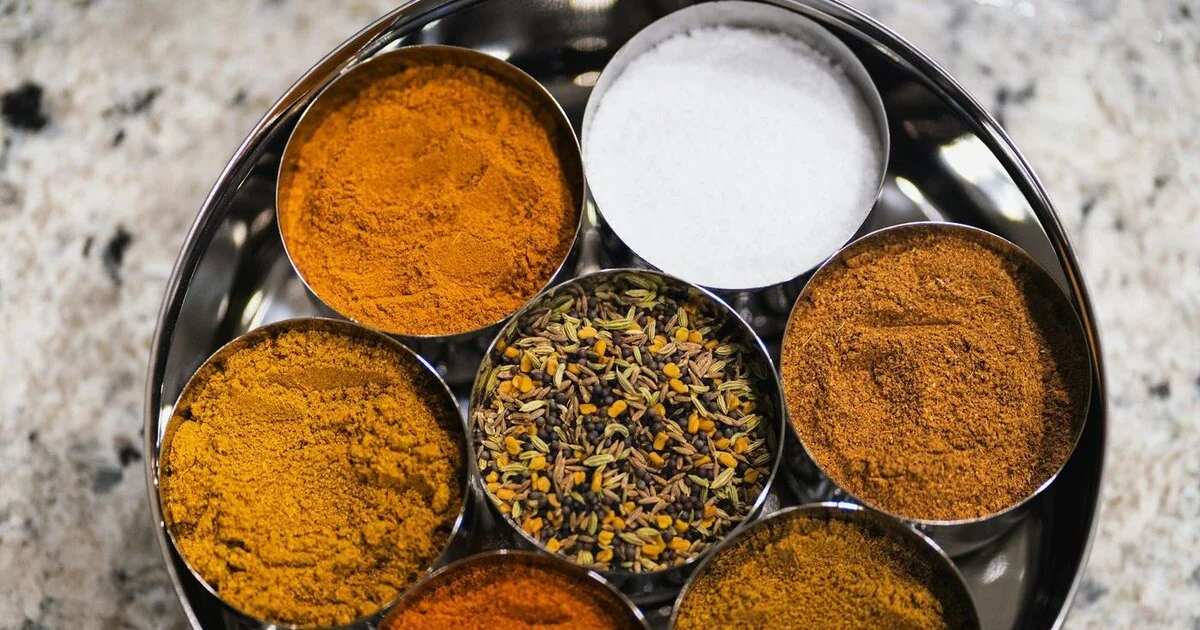
Indian masala incense is one of the purest and most honest forms of incense in the world. The word "masala" simply means a blend — in this case, a blend of aromatic dry ingredients that are ground, mixed and rolled directly onto a bamboo core without any charcoal. The burning material is the aromatic blend itself: nothing else is in the formula.
This is precisely what we make at Jaygee Industries under the Mother Incense label. Every stick is a family recipe — home-grown herbs from the garden, Indian spices, sun-dried on stone, ground by hand and rolled by women in a cottage in Bangalore. No synthetic fragrance oil ever enters the process. No charcoal. No DEP. If you want to know what incense smelled like before the synthetic era arrived, this is it.
For wholesale and B2B pricing, get in touch with our team or WhatsApp us directly. We supply boutique retailers, hotel chains, export buyers and spa brands across India and internationally.